Alexa Goes Desktop as Amazon Races ChatGPT for Attention

Amazon is bringing Alexa to the web—and it’s not just a convenience update. The launch of Alexa.com is a direct response to where AI usage is heading and who’s currently winning mindshare.
As tools like ChatGPT from OpenAI normalize browser-based AI for planning, research, and everyday problem-solving, attention is shifting away from apps and smart speakers toward the desktop. Amazon can’t afford for Alexa to live only on Echo devices while competitors train users to expect AI everywhere else.
Until recently, Alexa.com redirected visitors to an informational page. Now, users with access who are logged into their Amazon accounts are seeing a functional Alexa Plus interface that closely resembles the chatbot experience available in the Alexa mobile app.
What Is Alexa.com?
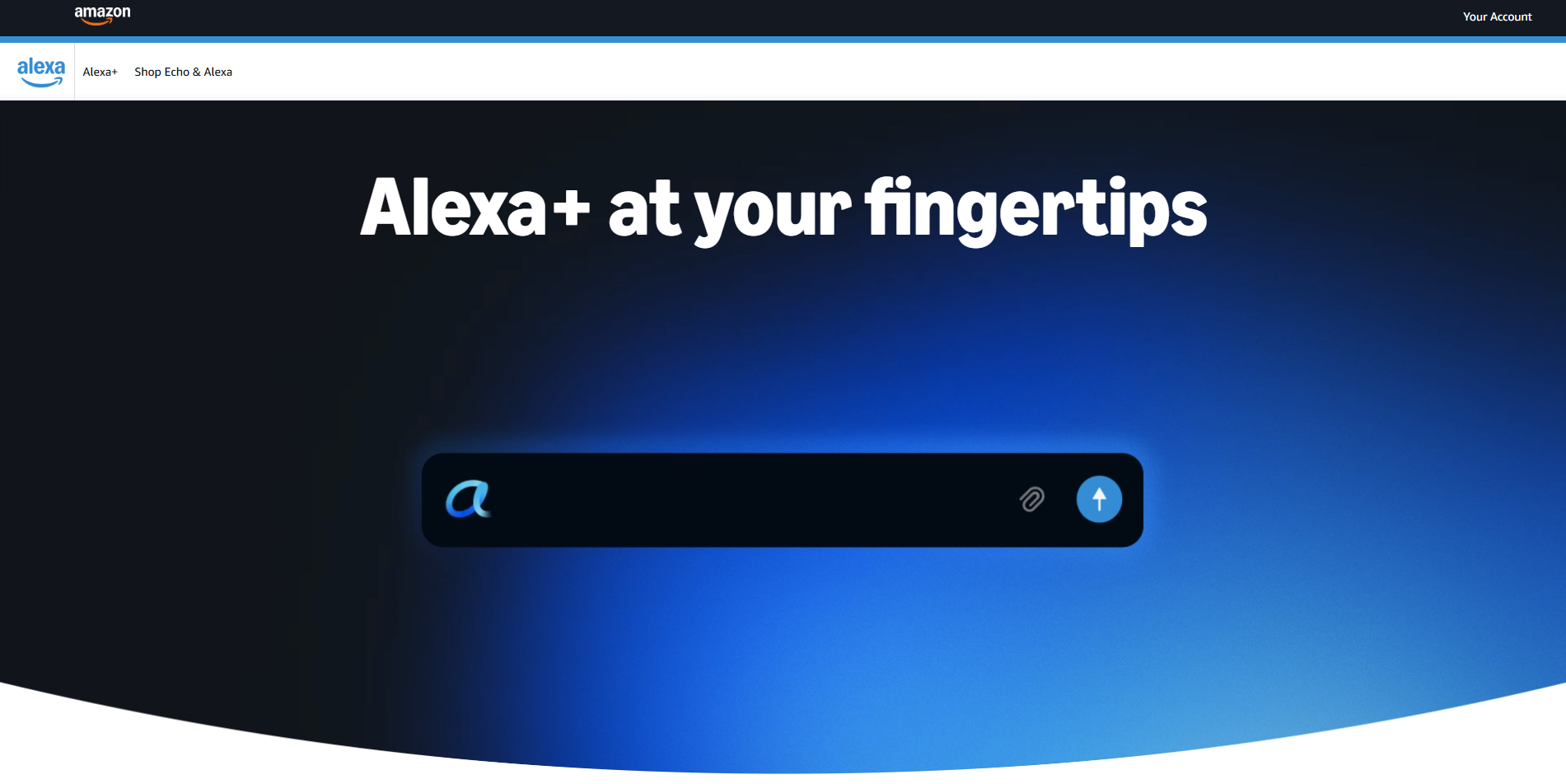
Alexa.com is a browser-based interface for Alexa Plus, the updated version of Amazon’s digital assistant. Instead of interacting only through voice-enabled devices or mobile apps, users can now type requests and manage Alexa-related tasks directly from a computer.
Access is currently limited to a subset of users enrolled in the Alexa Plus early access program. Regardless, their reason for redirection is clear:
While Alexa built its reputation on voice, many AI-driven tasks today—planning trips, organizing information, comparing options—are easier with a keyboard and a screen. Amazon is meeting users where those habits are forming.
What Users See When They Open Alexa.com
After a short setup, Alexa.com opens to a large conversational interface with a text input box front and center. From there, users can move beyond one-off voice commands into longer workflows.
For example, someone might plan a weekend trip on Alexa.com—typing out dates, reviewing options, and saving notes—then later ask an Echo device for a quick update while getting ready, or for reminders once they’re out the door. The heavy planning happens on the computer; the follow-ups happen hands-free.

The starter prompts (Plan, Learn, Create, Shop, and Find) nudge users toward common tasks like trip planning, study help, browsing products, or booking reservations. It’s a structure that will feel familiar to anyone who’s used browser-based AI tools, and that familiarity is intentional.
Navigation and Ongoing Access
A sidebar on the left shows recent conversations, including ones that started on Echo devices. That makes it easy to move between voice and text without starting over.
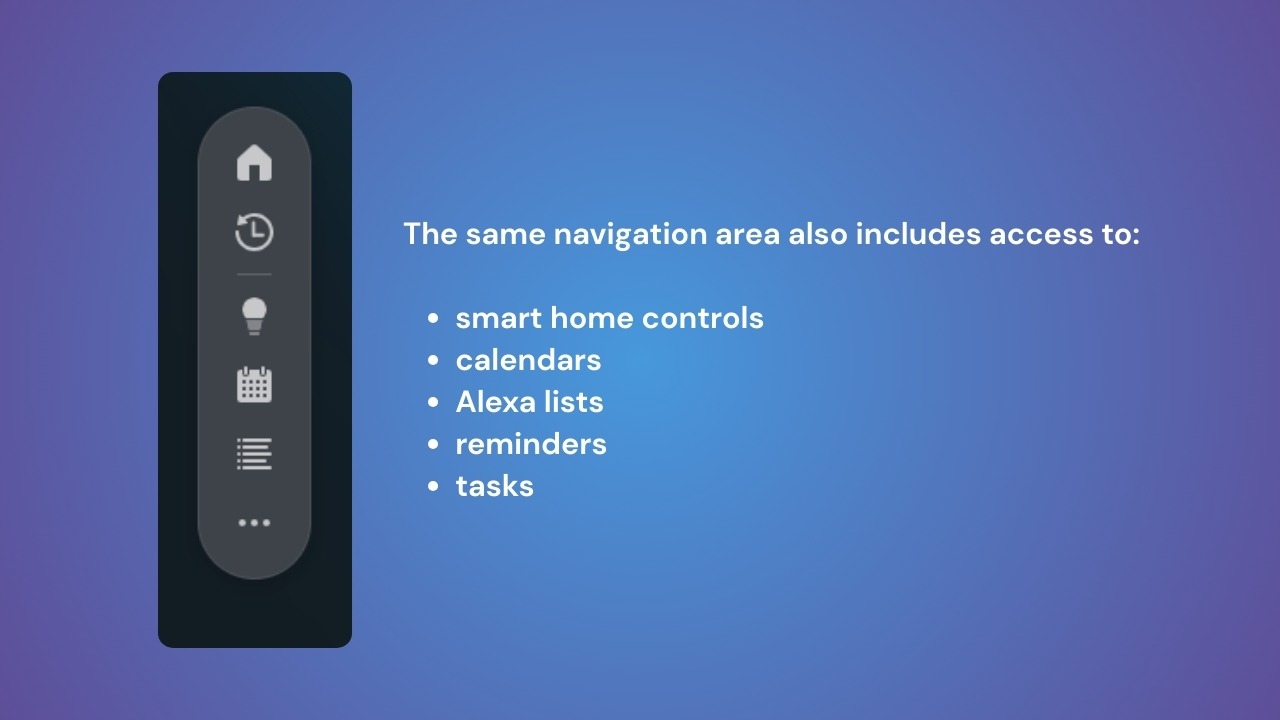
The web interface also makes tasks that don’t work well through voice alone easier to handle. Users can edit reminders, adjust recurring schedules, upload and review documents, or fine-tune smart home settings on the computer, then rely on nearby Alexa-enabled devices for hands-free check-ins and control later on.
In practice, Alexa.com turns Alexa into something you can work through on a screen and live with throughout the day—bridging desktop planning with ambient, voice-based follow-up.
Why Would Amazon Move Alexa to the Web?
At first glance, Alexa.com looks like a simple expansion:
It's a desktop version of Alexa Plus that lets users start a request on an Echo, then switch to a browser to type, review details, or keep the conversation going.
But the timing suggests something more strategic. Amazon is rolling this out as competitors—especially OpenAI—are doubling down on audio-first AI.

OpenAI is reportedly overhauling its audio models ahead of a major release expected in early 2026, with the goal of making ChatGPT sound more natural, handle interruptions, and behave less like a tool and more like a conversational partner. That same effort is tied to longer-term hardware ambitions shaped in part by Jony Ive, who has been vocal about reducing reliance on screens.
In other words, the race isn’t just about chatbots anymore. It’s who owns the primary interface—voice, text, or both—across devices and environments.
Amazon already has a massive footprint in voice through Echo devices, but browser-based AI assistants are quickly becoming where users plan trips, research purchases, and manage daily tasks. By bringing Alexa fully into the web, Amazon is making sure Alexa can compete in the same mixed-mode workflows where ChatGPT and others are building habits now, before audio-only interfaces mature.
The broader industry is moving in the same direction. Google is experimenting with audio summaries in Search. Meta is pushing AI into smart glasses. Tesla is turning conversational AI into a core part of the driving experience.
The form factors differ, but the bet is the same: conversation is becoming the control layer.
What Could This Mean for Ecommerce and Sellers?
Alexa.com also introduces a new place where shopping can happen. The Shop menu sits alongside planning and task-based prompts, blending commerce into everyday conversations rather than separating it into a distinct flow.
For sellers, this matters. Typed queries and longer conversations tend to surface different products than quick voice commands. As users spend more time refining requests or managing purchases through Alexa.com, Amazon gains another lever over how products are discovered and framed.
So far, Amazon hasn’t said how product visibility or seller tools might change as Alexa.com expands. Today, the web interface mostly extends existing Alexa shopping features. Over time, though, it could become a more influential discovery surface—especially as conversational AI continues to pull planning, research, and buying into a single interface.