Amazon Pharmacy Expands Same-Day Delivery to Nearly 4,500 Cities

Amazon Pharmacy plans to bring same-day prescription delivery to nearly 4,500 U.S. cities and towns by the end of 2026, adding almost 2,000 new communities to its network. The expansion will include newly served states such as Idaho and Massachusetts, as the company pushes deeper into healthcare delivery.
The move addresses growing medication access challenges across the country. Pharmacy closures, staffing shortages, and transportation barriers are leaving millions of Americans with fewer options to obtain necessary medications. Amazon is positioning its logistics infrastructure as a solution to these healthcare gaps.
Filling Pharmacy Deserts
The expansion specifically targets underserved areas where traditional pharmacy access has deteriorated. In remote Alaska towns and across the Navajo Nation in communities like Fort Defiance and Keams Canyon, the nearest brick-and-mortar pharmacy can be more than 45 to 60 minutes away, with mail-order delivery taking five to 10 days.
Amazon's network can reduce those timelines to next-day or two-to-three-day delivery, leveraging the same logistics infrastructure that handles retail packages.
“Patients shouldn't have to choose between speed, cost, and convenience when it comes to their medication, regardless of where they live,” said John Love, vice president of Amazon Pharmacy. “By combining our pharmacy expertise with our logistics network, we're removing critical barriers and helping patients start treatment faster.”
Delivery Methods Across Geographies
Amazon uses varied delivery methods tailored to different communities. In dense urban areas like Manhattan, medications arrive via e-bike. Suburban locations use electric vehicles. On Mackinac Island, Michigan, where motor vehicles are banned, Amazon delivers prescriptions via ferry and horse-drawn carriage.
In Los Angeles, One Medical patients can pick up prescriptions within minutes using Amazon Pharmacy Kiosks located in select clinic lobbies, allowing them to begin treatment immediately after an appointment. Amazon plans to expand in-person kiosk access to additional locations in 2026.
The kiosks, introduced in October 2025, function as prescription vending machines operated by Amazon Pharmacy.
Building on Previous Healthcare Moves
Amazon launched Amazon Pharmacy in 2020, two years after acquiring prescription medicine delivery service PillPack for $753 million. The service has since expanded to include multiple programs aimed at lowering costs and improving access.
RxPass, launched in 2023, offers Prime members unlimited generic medications for $5 per month. The service expanded to 48 states in 2025, including Texas. Prime members without insurance can save up to 80% on generic medications and 40% on brand-name drugs through Prime Rx at no additional cost.
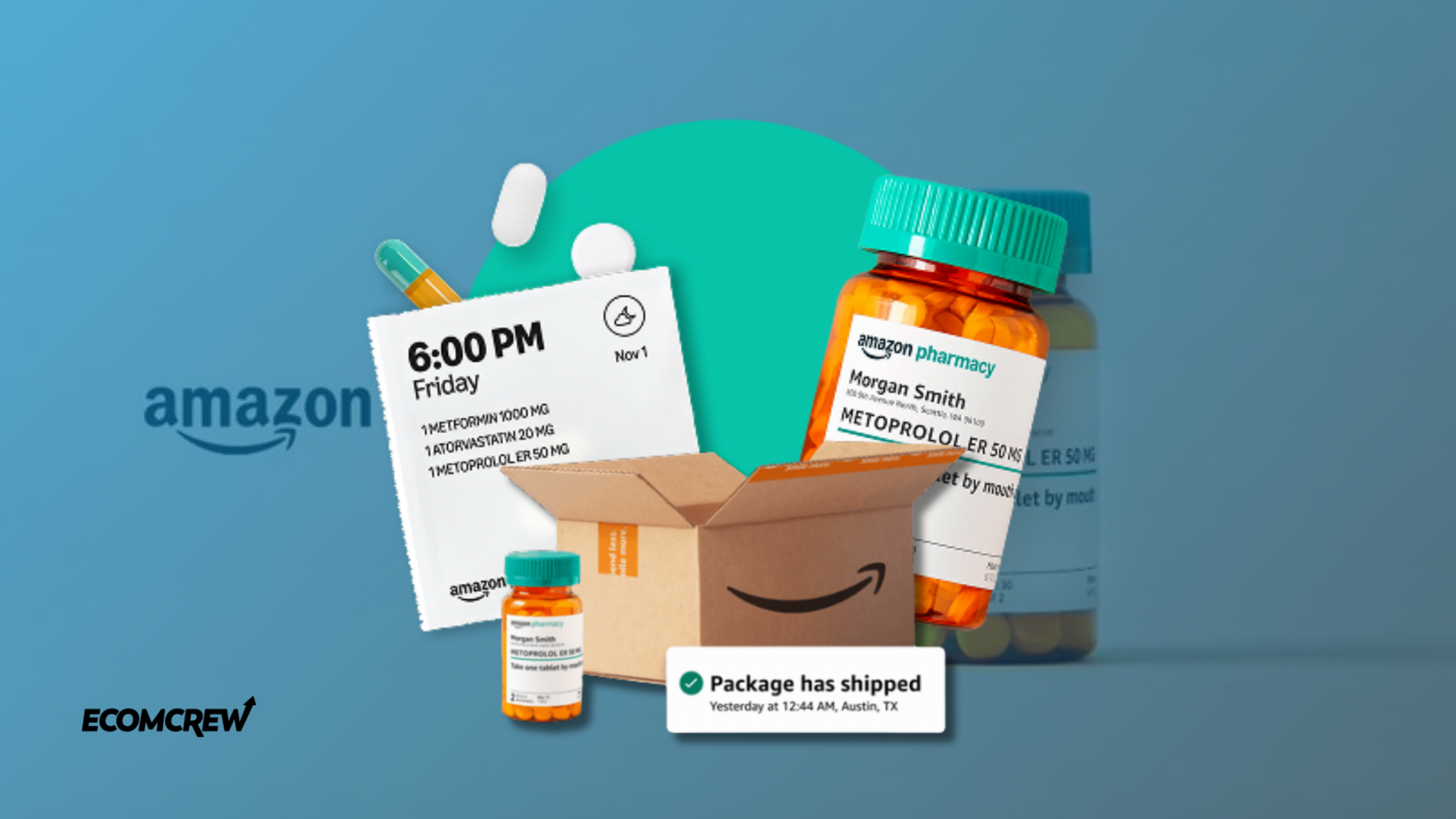
Amazon Pharmacy also offers 24/7 access to licensed pharmacists, automatic refills, and PillPack, which organizes medications by dose and time into easy-to-open packets delivered monthly. In 2025, the company introduced a caregiver support feature to help families manage medications for others.
Competitive Implications
The expansion intensifies Amazon's competition with traditional pharmacy chains like CVS and Walgreens, which have been closing stores and cutting costs amid declining foot traffic and reimbursement pressures.
Amazon's advantage lies in its existing logistics network, which allows it to offer same-day or next-day delivery without the fixed costs of maintaining physical pharmacy locations in every community. The company can serve more areas with fewer facilities by routing prescriptions through its fulfillment infrastructure.
For customers in rural or underserved areas, Amazon's model offers an alternative to pharmacy deserts created by store closures. For urban customers, it provides convenience that competes with traditional pharmacy chains, which still require in-person pickups.
Industry Partnerships
Amazon Pharmacy has been building partnerships to expand its reach. The company collaborates with WeightWatchers to offer weight management medications, Experity's Urgent Care Network to connect urgent care patients with prescriptions quickly, and DoseSpot to provide inventory and price transparency for healthcare providers.
These partnerships position Amazon as an infrastructure for healthcare delivery rather than just a direct-to-consumer pharmacy, potentially opening additional growth channels as more providers integrate prescription fulfillment into their workflows.
What It Signals
Amazon's pharmacy expansion reflects its broader healthcare strategy: leverage logistics superiority to solve access problems while building recurring revenue streams through subscription services like RxPass and Prime.
By targeting pharmacy deserts and underserved communities, Amazon positions itself as addressing a genuine healthcare access crisis while simultaneously expanding market share. The combination of fast delivery, lower prices through Prime benefits, and 24/7 pharmacist access creates a value proposition that traditional chains struggle to match.
As pharmacy chains continue consolidating and closing locations, Amazon's infrastructure-driven approach may reshape how Americans access medications—particularly in communities where brick-and-mortar options have disappeared.