Amazon’s Shop Direct Expansion Catches Sellers Off Guard

Amazon is pushing forward with the expansion of two shopping features that allow customers to discover and buy products from third-party websites without leaving the Amazon app. The move comes as a growing number of independent sellers report being included in the program without their knowledge or consent.
What Amazon Is Expanding
On March 11, Amazon announced it will now support third-party product feeds from Feedonomics, Salsify, and CedCommerce as part of its Shop Direct program. These feed providers give Amazon real-time access to merchants' inventory, pricing, and product information. More feed providers will be added over time, and Amazon says a merchant-direct feed portal is coming soon.
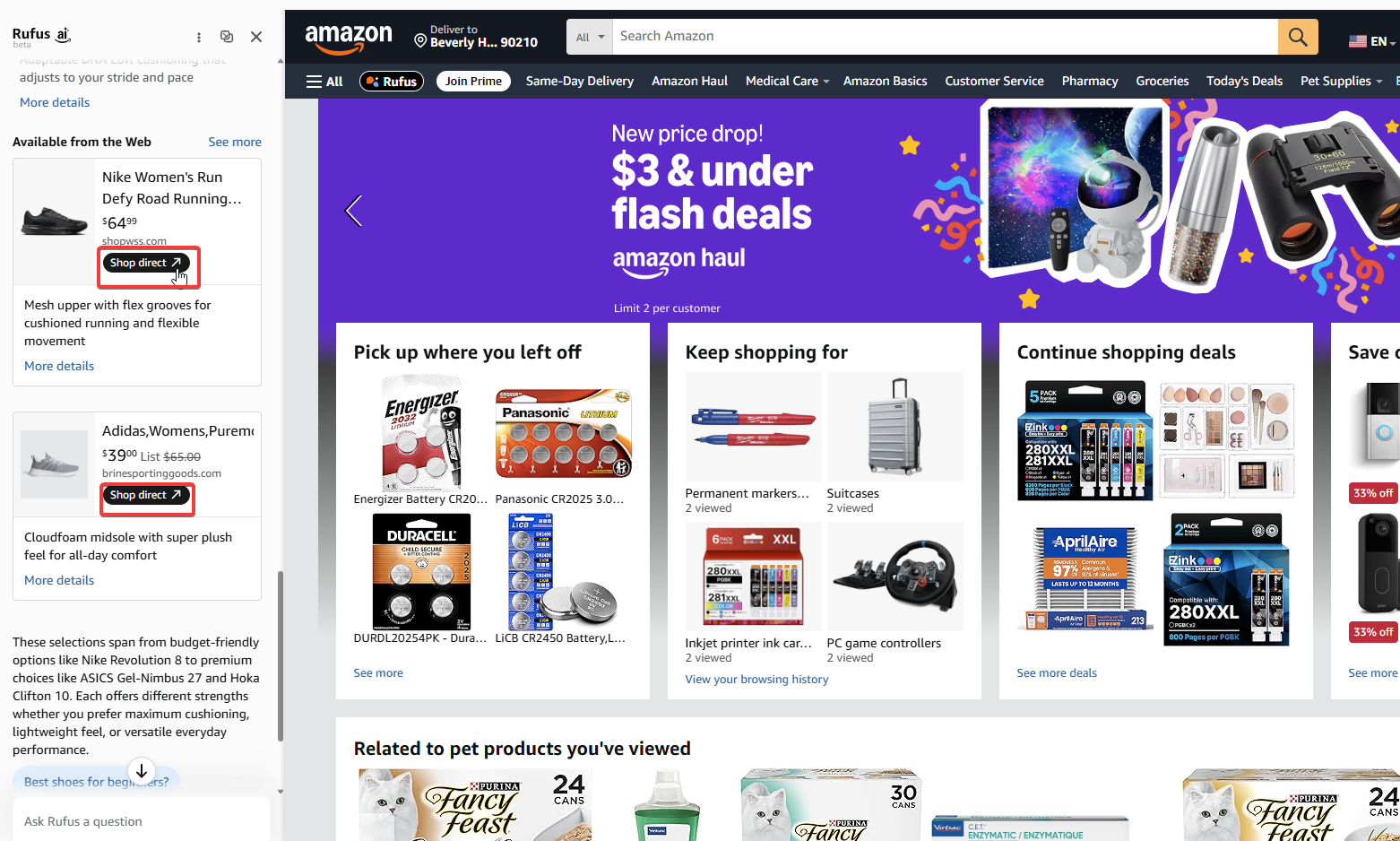
Shop Direct and Buy for Me launched as beta features in April 2025. Shop Direct sends shoppers from Amazon search results directly to a brand's website to complete a purchase. Buy for Me goes a step further. It uses an AI agent to complete the entire purchase on the customer's behalf on a third-party merchant's site. The customer confirms their delivery address, taxes, shipping fees, and payment method, and Amazon's AI handles the rest. Orders then appear in the customer's standard Amazon orders tab alongside their regular Amazon purchases.
Both features are also accessible through Rufus, Amazon's AI shopping assistant, and are live for U.S. customers on Amazon.com and the Amazon mobile app.
Sellers Are Being Included Without Warning
While Amazon frames Shop Direct and Buy for Me as tools that give brands more visibility and shoppers more options, a number of independent sellers say they found out about their inclusion only after orders started coming through.
Bobo Design Studio was one of the first brands to speak publicly about the issue in early January. The seller reported that Amazon listings for its products showed incorrect product details and images that did not come from its website. Hitchcock Paper Co. and Darling Marcelle shared similar accounts shortly after.
Other sellers reported listings for items that were out of stock or products they had never sold at all. Some said customers placed orders through Amazon but the brand received a confirmation for a different or cheaper product. Others noted that Buy for Me orders arrive through proxy email addresses, making direct communication with customers difficult when problems arise.
As more sellers shared their experiences online, additional brands including Mochi Kids, Little Bear Illustration, and Shopyouer reported encountering the same issues.
What Amazon Says
Amazon maintains that both features are optional and that sellers can opt out by emailing branddirect@amazon.com. The company says removal requests are handled quickly. Amazon also states that pricing and stock levels are checked before Buy for Me listings go live, and that product images are not generated using AI.
To manage customer communication, Buy for Me uses a relay email system that forwards messages between buyers and sellers without exposing personal email addresses. Amazon says this protects customer privacy while still allowing order-related support.
The company describes both programs as beta features still under active testing.
Why the Expansion Makes This More Urgent
The March 11 announcement adds a new layer to the controversy. By opening Shop Direct to third-party product feeds from major feed providers, Amazon is significantly broadening the pool of merchants whose products appear in the program. Sellers who have never interacted directly with Amazon may now find their inventory surfaced in Amazon search results or through Rufus, whether or not they intended to participate.
For sellers already flagging concerns about incorrect listings, out-of-stock products appearing as available, and orders arriving through unfamiliar email addresses, a wider rollout means more exposure to the same problems before they are resolved.
What Sellers Can Do Right Now
Sellers who want to monitor or limit their participation in these features have several practical options.
The first step is to check whether your products are already appearing in the Amazon app under Shop Direct or Buy for Me. Search for your brand name and product titles directly in the Amazon mobile app to see what comes up.
If your products appear and you did not consent to participate, email branddirect@amazon.com to request removal. Keep a copy of your request and any response you receive for your records.
After submitting a removal request, continue checking your listings periodically. Some sellers report that product details shift over time, so ongoing monitoring is useful even after opting out.
Sellers experiencing Buy for Me orders can identify them by the @buyforme.amazon email addresses they arrive from. Reviewing how many of these orders have come through helps assess the program's impact on your business before deciding whether to fulfill or cancel them.
What to Watch
Amazon's expansion of Shop Direct through third-party feed providers signals the company is committed to the program long-term rather than treating it as a limited test. The addition of real-time inventory feeds from Feedonomics, Salsify, and CedCommerce means the program will scale faster than it did during its initial beta phase.
For independent sellers, the practical question is whether Amazon resolves the consent and accuracy issues that surfaced in January before the expanded rollout brings more brands into contact with the same problems. Until then, checking your brand's presence in the Amazon app and knowing how to opt out remain the most direct steps available.