How Fake Reviews Sabotage Amazon Sellers (And What to Do)

You know that feeling when you're shopping on Amazon and see a product with 500 five-star reviews? You think, “Wow, this must be amazing!” and hit that buy button with confidence.
Well, there's a pretty good chance those reviews aren't real.
We're not talking about a few bad apples here. Studies show that roughly 40% of Amazon reviews are fake. That number jumps even higher during Prime Day and holiday shopping, sometimes reaching 45%. In certain categories like electronics, beauty products, and supplements, over 60% of reviews show signs of manipulation.
This isn't just annoying for shoppers. For legitimate brands trying to compete fairly on Amazon, fake reviews have become a serious weapon that can make or break your business. They influence your product rankings, your conversion rates, and how much you're spending on ads. When competitors cheat the system, everyone else suffers.
So let's pull back the curtain and show you exactly how this underground economy works.
Where Do Fake Amazon Reviews Come From?
Here's something most people don't realize: the fake review marketplace doesn't operate on Amazon itself. It's moved completely off the platform to avoid detection.
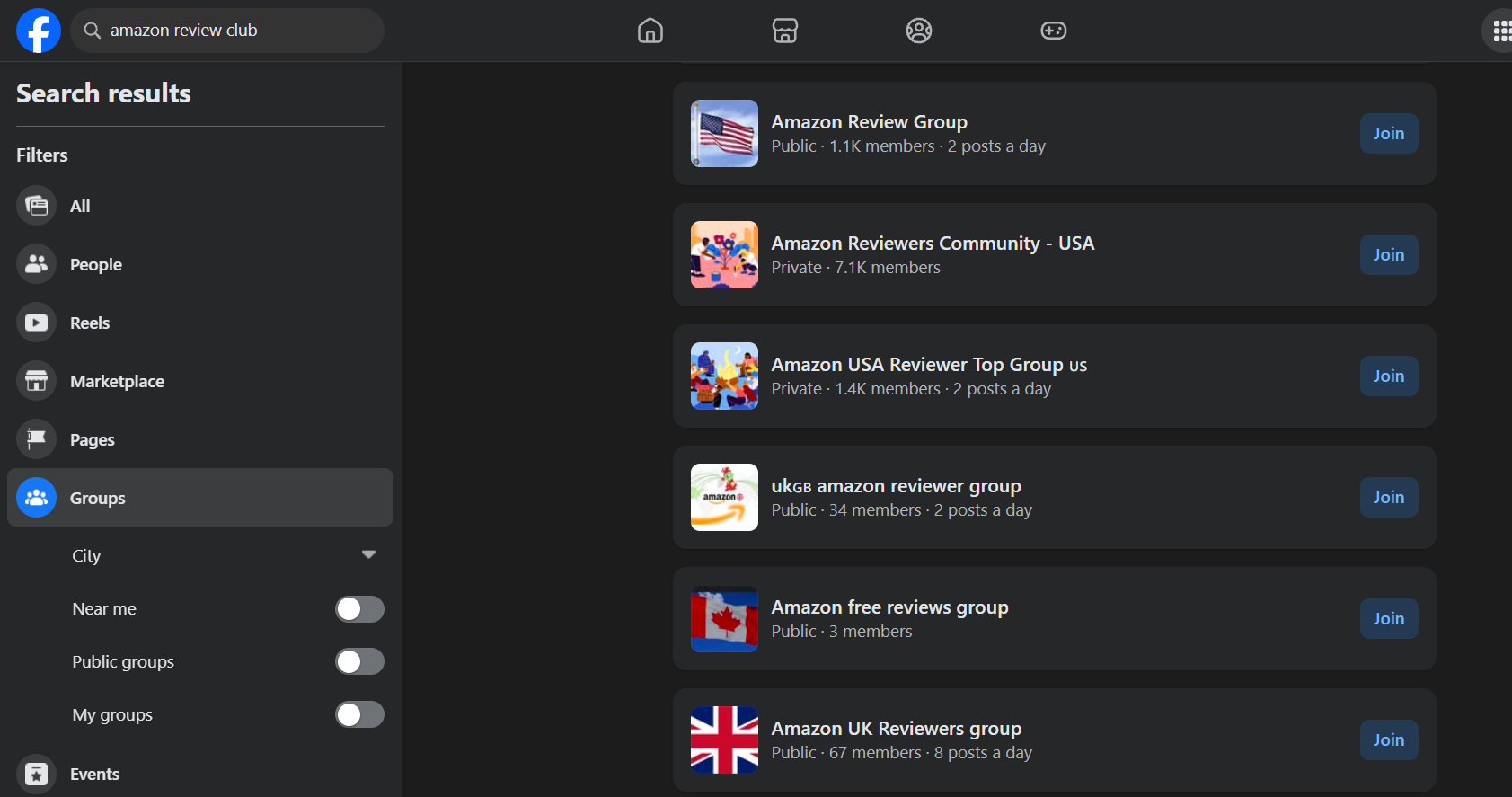
Facebook is the main hub. There are dozens of private groups with names like “Amazon Review Club” or “5-Star Review Exchange USA.” Some are region-specific (American buyers, Canadian buyers, UK buyers). The really organized ones even require passwords to join—like secret clubs for review fraud.
Beyond Facebook, there are dedicated broker websites that look surprisingly professional. Sellers can log into dashboards, buy review “packages” (like ordering 10 fake reviews or 100), and track the progress of their campaigns in real-time. It's disturbingly efficient.
Why did everything move off Amazon?
Simple: it got too easy to catch.
Sellers used to slip little cards inside product boxes that said things like “Leave us a 5-star review, and we'll send you a $20 gift card!” But Amazon caught on. Their warehouse agents could literally just open a few boxes and find the evidence sitting right there. So the whole operation went digital and moved to external platforms where Amazon can't easily monitor it.
How Do Fake Reviewers Get the “Verified Purchase” Badge?
The goal of every fake review operation is simple: make the review look 100% legitimate and earn that “Verified Purchase” badge on Amazon.
That badge is crucial. It tells shoppers, “Hey, this person actually bought the product.” Without it, the review is basically worthless.
Here's the exact step-by-step process these operations use:
Step 1: The Reviewer Picks a Product
Someone (often just a regular person—maybe a teacher, a parent, someone who wants free stuff) joins one of these Facebook groups or broker sites. They browse through available products and pick something they want.

Step 2: They Buy It at Full Price on Amazon
The reviewer goes to Amazon and purchases the webcam at full retail price, just like any normal customer would. They use their real Amazon account, their real credit card, everything.
Step 3: They Send Proof to the Broker
After placing the order, the reviewer messages their Order ID to the group moderator or broker. This proves they actually bought it.
Step 4: Product Arrives, Review Gets Posted
The product shows up. The reviewer uses it (or doesn't—honestly, they might not even open the box). Then they leave a glowing 5-star review on Amazon.
Step 5: They Get Their Money Back (Off Amazon)
A few days later, the broker or seller sends the reviewer a full refund via PayPal, Venmo, or another external payment platform. The reviewer just got a free product. The seller just bought a verified review.
From Amazon's perspective, everything looks totally normal. There's a real purchase, a real account, a real review. The financial incentive happened completely off-platform, so there's no direct trail for Amazon to follow.
What Does This Cost Sellers?
Brokers typically charge sellers a fee—often around $5 per review—plus the cost of reimbursing the product price. For international sellers (especially those based in China), payments often go through Alipay or WeChat Pay to keep things even more off Amazon's radar.
How Do Fake Reviews Avoid Detection on Amazon?
Okay, so you might be thinking:
“Can't Amazon just detect a bunch of reviews showing up at the same time?”
Yes—and that's exactly why the brokers have developed a whole playbook to avoid detection.
Rule #1: Don't Review Immediately
Brokers tell reviewers: “Do NOT leave a review right after you get the product.” They'll often require you to wait around 7 days. Why? Because real customers don't usually review things instantly. They use the product for a while first. By adding this delay, the review pattern looks more natural.
Rule #2: Drip-Feed the Reviews
Let's say a seller wants 100 fake reviews. If all 100 showed up in one week, Amazon's algorithms would flag it immediately. So instead, brokers spread them out over 30 to 40 days. A few reviews here, a few there—nothing that looks like a sudden spike.
Rule #3: Use Real People, Not Bots
The reviewers aren't bots or fake accounts (well, most of the time). They're real people with established Amazon purchase histories. They might be teachers, stay-at-home parents, students—just regular folks who want free products in exchange for writing reviews.
This makes detection way harder. These aren't obviously fake accounts created last week. They're legitimate Amazon customers who've been buying stuff for years.
Rule #4: Keep the Transaction Clean on Amazon's End
Because the reimbursement happens through PayPal or another off-platform service, Amazon only sees a normal purchase followed by a normal review. There's no money trail linking the seller to the reviewer inside Amazon's system.
Rule #5: Try to Sound Natural (Though They Don't Always Succeed)
Brokers coach reviewers to write in a “natural” tone, avoiding overly generic phrases. That said, you can still spot fake reviews by their over-the-top enthusiasm for really boring products. Phrases like “life-changing,” “absolutely amazing,” and “best purchase ever” repeated across dozens of reviews are a red flag.
Can Competitors Use Fake Reviews to Sabotage Your Product?
Fake reviews aren't just used to boost your own products. They're also used to destroy your competitors.
Negative Review Attacks

Sellers can pay brokers to flood a competitor's listing with 1-star reviews. The process is the same—real people, real purchases, spaced out over a few weeks to look organic. The broker will say, “No problem, but let's spread it over a few weeks so it doesn't look suspicious.”
Imagine spending months building a great product, getting genuine positive reviews, and then suddenly getting hit with a wave of coordinated 1-star bombs. Your rating tanks, your sales drop, and you have no idea who did it or how to prove it.
Framing Your Rivals
Even worse, a competitor can buy fake positive reviews for YOUR product just to get you in trouble. If Amazon detects the fake reviews, they might suspend your account—even though you had nothing to do with it.
This creates what's called attribution ambiguity. Amazon can't easily prove who paid for the reviews. Was it you trying to boost your own product? Or was it a competitor trying to frame you and get your listing taken down? Because anyone can buy reviews for any product, Amazon often can't tell, so they hesitate to act.
Does Amazon Actually Care About Fake Reviews?
Amazon loves to talk about how sophisticated its detection systems are. And to be fair, they do block a lot of fake reviews.
The Official Story
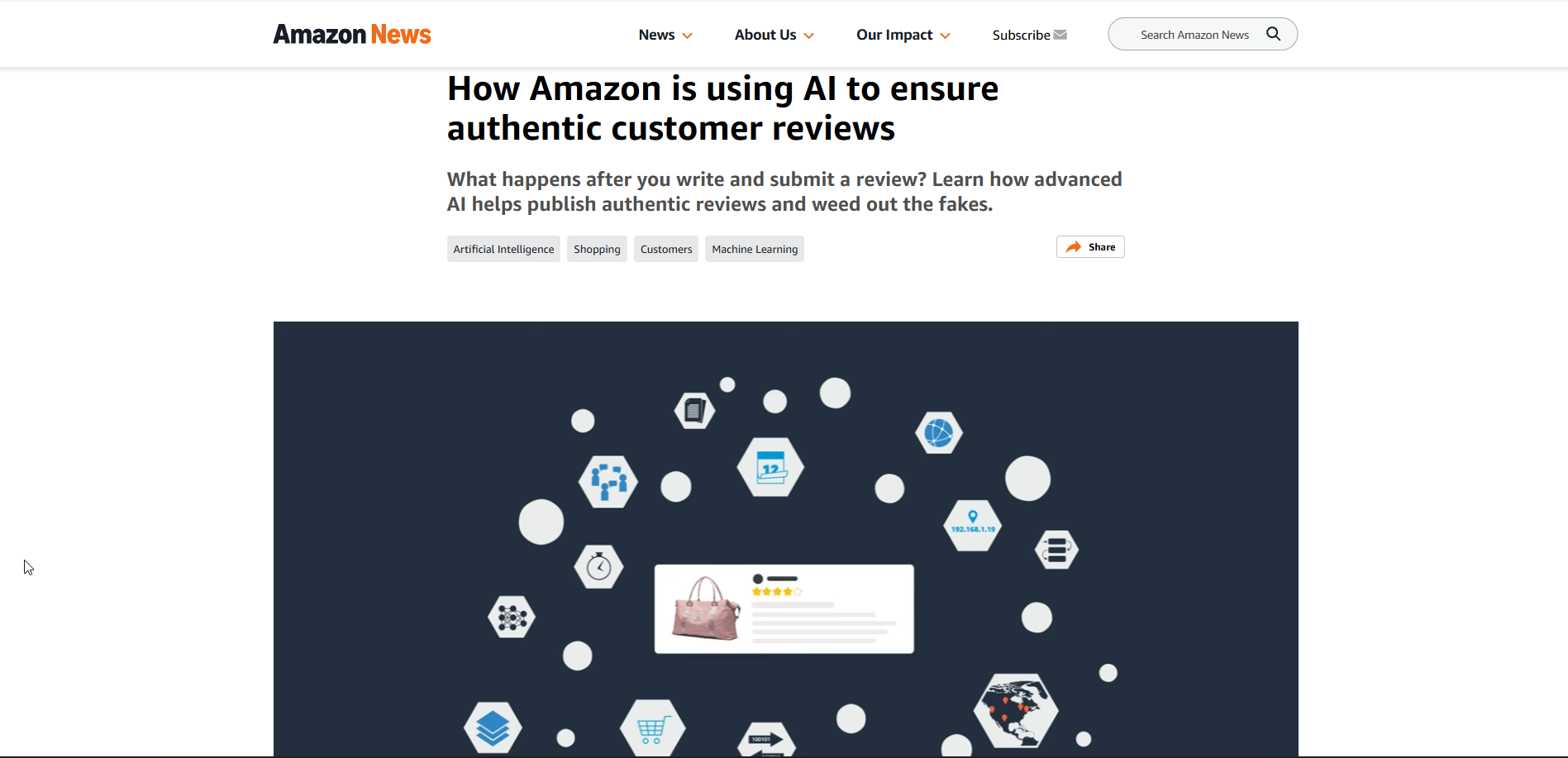
Amazon says they use advanced AI, machine learning, and trained investigators to:
- Analyze review patterns and detect suspicious behavior
- Block and remove millions of fake reviews every year (they claim over 200 million annually)
- Revoke reviewer privileges for repeat offenders
- Sue review brokers and shut down their websites
The Reality on the Ground
Amazon's lawsuits are often more PR than practical enforcement.
Investigative sources found that websites Amazon claimed to have “shut down” were still operating just fine. In one case, a broker site that Amazon supposedly dismantled in a lawsuit was still accepting orders and processing reviews days later.
When researchers downloaded the court documents, they discovered that many of these “victories” were default judgments—meaning the defendants simply never showed up to court. Amazon technically won, but the defendants just ignored the U.S. legal system and kept running their operations overseas.
It's like a boxer bragging they “destroyed” an opponent who never even stepped into the ring.
Case Study: BeltBro and the Full Manipulation Playbook (January 2026)
Real-World Example: How One Small Business Got Crushed
In January 2026, BeltBro—a Florida-based company with a patented no-buckle belt—documented a coordinated attack that shows how all these tactics work together:
The Attack:
- 430+ duplicate infringing listings flooded Amazon in just 2 months
- 42 of the top 100 “New Releases” were the same counterfeit product
- Fake review networks left 5-stars across all listings
- Bot farm attacked BeltBro's own products with coordinated 1-star reviews (all on Jan 19, 2026)
- Infringing sellers ran sponsored ads across hundreds of listings
- Coordinated price dumping to $6.99 to undercut legitimate sellers
Amazon's Response:
BeltBro won an APEX arbitration case. The seller relisted the same infringing product the same day—9 times in a row. The account was never banned. Amazon refused to provide tools to report more than 10 infringements despite 430+ listings.
The Takeaway:
Fake reviews aren't isolated—they're part of a coordinated playbook that includes mass listings, review fraud, ad flooding, price manipulation, and IP theft. When combined, these tactics create a nearly unstoppable competitive weapon.
Why Lawsuits Don't Work
Most of these brokers operate overseas, often in China or Southeast Asia. They accept payments through Alipay and WeChat, ignore U.S. court summons, and just keep doing business. Even if Amazon shuts down one site, three more pop up.
The real issue is supply and demand: there's a near-endless supply of sellers willing to buy reviews and customers willing to write them in exchange for free products. As long as that's true, the system will keep running. It's a never-ending game of whack-a-mole.
How to Protect Your Amazon Business from Fake Reviews
If you're a seller, here's the hard truth: you have to assume manipulation exists in any competitive niche on Amazon. You can't control what your competitors do, but you can focus on building defensibility.
Protect Your Brand
- Enroll in Amazon Brand Registry and use tools like Transparency and Project Zero
- Monitor your listings regularly for suspicious review patterns (sudden spikes, repetitive language, etc.)
- Use tools like Fakespot or ReviewMeta to analyze review authenticity
- Report fake reviews using Amazon's “Report Abuse” feature (even if it doesn't always work)
Build Real Customer Relationships
- Request honest reviews through Amazon's “Request a Review” button in Seller Central
- Focus on delivering an amazing product and customer experience—real reviews will follow
- Never buy reviews or participate in review exchange schemes (it's not worth the risk)
Fight Back with Legitimate Review Tools
While fake reviews dominate the marketplace, honest sellers still have powerful tools to generate genuine customer feedback at scale without breaking Amazon's rules.
One of the most effective ways to build authentic reviews is using Amazon-compliant review request tools. Jungle Scout's Review Automation feature allows you to send mass review requests to customers who've purchased your products—completely within Amazon's Terms of Service.

Jungle Scout's review automation allows you to:
- Send automated review requests to customers after delivery
- Customize your messaging while staying within Amazon's guidelines
- Track review request performance and response rates
- Save hours of manual work requesting reviews one-by-one
The tool works by automatically sending Amazon's official “Request a Review” button on your behalf, ensuring you never violate TOS. It's one of the few scalable ways to compete against fake review operations without risking your account.
Use our link below to get up to 70% off. Get 70% Off Jungle Scout
Stay Informed
- Keep up with Amazon's policy updates and FTC regulations around fake endorsements
- Document everything if you suspect you're being targeted by competitors
- Consider legal action if you have clear evidence of sabotage (though enforcement is tough)
If You're a Shopper
- Look for 3- and 4-star reviews—they tend to be more honest and balanced
- Check reviewer profiles—if someone only leaves 5-star reviews across random categories, that's suspicious
- Use browser extensions like Fakespot to get a trust score before buying
- Cross-reference products on other platforms (Reddit, YouTube, independent review sites)
Final Thoughts
Fake Amazon reviews operate like a well-oiled supply chain. There are brokers, off-platform coordination, verified purchase trails, carefully timed review drops, and sometimes outright sabotage.
Amazon can—and does—block a lot of this activity. But the incentives are too strong, the operations are too decentralized (and often overseas), and the attribution is too ambiguous for Amazon to shut it all down.
For legitimate sellers, the key is to stop hoping Amazon will fix everything and instead focus on what you can control: building a genuinely great product, earning real customer loyalty, and protecting your brand with every tool available.
Because at the end of the day, innovation should win, not manipulation. But in today's Amazon marketplace, you need to be smart, vigilant, and ready to fight for what you've built.