YouTube Creators Can Now Tag Amazon Products Directly in Their Videos

YouTube added Amazon to its Shopping Affiliate Program on August 27, letting eligible US creators tag Amazon products directly inside Shorts, long-form videos, and livestreams. YouTube CEO Neal Mohan confirmed the launch on X the same day the company's official blog posted the announcement. If you sell on Amazon and rely on creator content to drive discovery, this closes a gap that's cost creators real money for years.
What Actually Changes for Creators
The old workflow was slow and lossy by design. A creator would paste an Amazon Associates link in a video description, then hope a viewer scrolled down, clicked through, and completed a purchase before Amazon's 24-hour affiliate cookie window expired. Every one of those steps was a place a sale could quietly disappear.
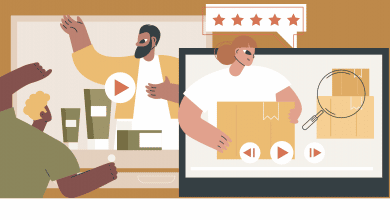
Native tagging removes most of that friction. YouTube provides creators with a curated catalog of trending and frequently requested Amazon products they can tag directly, and creators can request specific products be added if something they want isn't already in the catalog. The feature also includes auto-tagging: if a creator enables it, YouTube's own systems review recent uploads and automatically identify and tag eligible Amazon products without the creator manually adding each one.
The Eligibility Requirements and What They Leave Out
To participate, a creator needs three things at once:
- Membership in the YouTube Partner Program,
- Membership in the YouTube Shopping Affiliate Program, and
- Either an Amazon Associates or Amazon Influencer account already connected
Current documentation also limits eligibility to one YouTube channel per Amazon account, which matters if you work with creators who run multiple channels under a single Amazon Influencer storefront.
One limitation worth understanding before you lean on this for attribution: reporting shows aggregate Amazon clicks, sales, and revenue rather than identifying which specific video or product tag generated each individual purchase.
If you're seeding products with multiple creators simultaneously, you'll be able to see that Amazon sales are happening through the integration, but pinpointing which creator or which piece of content actually drove a given sale isn't part of the reporting as it currently stands. There's also a payment timing detail worth planning around: commissions from Amazon tagging on YouTube reportedly pay out roughly two months after they lock, a longer settlement window than some creators are used to from other affiliate programs.
This Fits a Bigger Pattern From Amazon This Month
This isn't an isolated integration. Amazon extended Sponsored Products directly into Amazon Influencer content on August 10, enrolling existing advertiser campaigns by default at their current bids and budgets. Combined with this YouTube integration two and a half weeks later, Amazon is expanding its retail media and affiliate infrastructure in two directions at once: pulling paid advertising inward into creator content on its own platform, and pushing native product access outward into the largest video platform on the internet.
That's a meaningful shift in how much of the discovery-to-purchase journey Amazon is trying to own outside of Amazon.com itself. A shopper who used to watch a review video, click an unreliable link, and land on Amazon separately now moves through a single, native tagging experience that Amazon and YouTube both have direct visibility into.
What This Means If You Sell on Amazon
If you already run creator seeding or influencer partnerships tied to your Amazon listings, native YouTube tagging is worth testing immediately, particularly for products that demonstrate well on video, since removing the description-link friction should meaningfully improve how many viewers who intend to buy actually complete that purchase. Prioritize creators who already hold both YouTube Partner Program status and an active Amazon Associates or Influencer account, since that's the actual gate to participation right now.
Given that attribution only shows aggregate performance rather than per-video or per-product detail, don't expect to precisely measure ROI on individual creator partnerships through this channel alone. Track your overall Amazon sales trend after ramping up tagged creator content, and treat this as a volume and friction-reduction play rather than a tool for granular campaign optimization, at least until YouTube's reporting matures beyond the aggregate view it currently offers.