Can Gap’s Daring Entertainment Gamble Rescue a Fading Brand?

Gap Inc. appoints its first-ever Chief Entertainment Officer as it bets on culture, content, and fandom to reclaim relevance in a crowded retail landscape.
Gap Goes Hollywood
Gap Inc. is making its most ambitious brand move in years, appointing its first Chief Entertainment Officer and opening a dedicated office in Los Angeles as part of a sweeping strategy the company is calling “fashiontainment.” The new hire, whose role will span Gap's headquarters in San Francisco, the LA office, and New York, is tasked with forging partnerships across music, film, sports, and gaming — all in service of building what CEO Richard Dixon describes as long-term brand fandom.
The announcement arrives at an interesting inflection point. Dixon himself came to Gap fresh from the staggering commercial and cultural success of the Barbie movie during his time at Mattel, and analysts are already asking whether lightning can strike twice. The stakes are real — legacy apparel brands that fail to adapt are increasingly vulnerable, as seen in Eddie Bauer's recent bankruptcy amid pressure from fast-fashion disruptors like SHEIN.
What the Role Actually Entails
The Chief Entertainment Officer position sits above the individual brand teams at Gap, Old Navy, Banana Republic, and Athleta. According to the press release accompanying the announcement, those brand teams will continue to lead their own creative vision, product direction, and marketing campaigns. The new role, then, appears to operate at a higher strategic altitude — identifying and managing the intellectual property partnerships and cultural moments that cut across the entire Gap Inc. portfolio.
Retail analysts have noted both the promise and the ambiguity of the appointment. EMARKETER analysts Sky Canaves and Blake Droesch, on the Reimagining Retail podcast, highlighted that Gap has already generated significant organic buzz in recent months — including a viral Katseye milkshake collaboration, an Anne Hathaway dress moment, and a White Lotus partnership with Banana Republic. The question is whether a new C-suite layer can systematize what has so far been a series of happy accidents.
“The role of the chief entertainment officer will be to think more broadly and link those viral moments to create a cohesive brand narrative or strategy,” Canaves noted, “one that can capitalize on viral moments, but isn't solely dependent on them.”
A Familiar Tension: Marketing vs. Entertainment
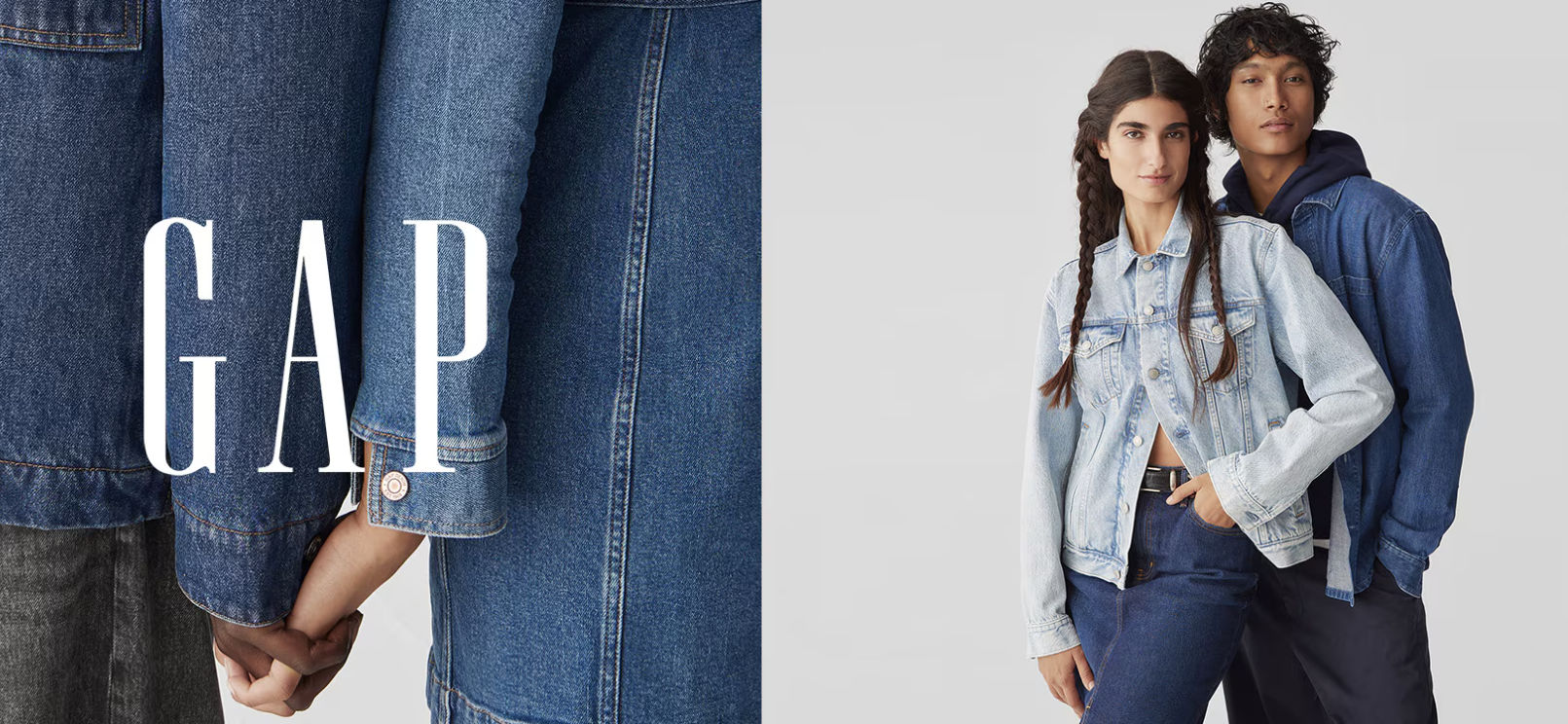
Critics of the appointment have drawn pointed comparisons to a long lineage of rebranded CMO-adjacent C-suite titles — chief brand officers, chief digital officers, chief growth officers — that have often blurred into one another over the years. Droesch argued that without clear delineation from existing marketing functions, the role risks becoming another flavor of CMO with a more cinematic job title.
The tension is real. Many of the activities likely to fall under the entertainment officer's purview — celebrity partnerships, cultural activations, pop-up moments — already sit within marketing departments at most major retailers. What Gap appears to be signaling, however, is an intentional elevation in the quality and scale of that content. Rather than campaigns and performance marketing, the ambition is for entertainment with a capital E: content that has genuine cultural resonance beyond the point of sale.
Fanatics and LVMH offer instructive comparisons. Fanatics recently launched a sports content production studio, while LVMH operates a studio focused on luxury-adjacent storytelling. Gap's LA office suggests a similar institutional commitment, even if the specific output remains undefined.
Measuring Success in Uncharted Territory
Perhaps the thorniest question surrounding the appointment is how success gets measured. Brand building has always resisted clean metrics, and this role — sitting at the intersection of entertainment, culture, and commerce — may be the hardest of all to quantify.
Analysts suggest the following indicators could serve as early benchmarks:
- Media impact value from major campaigns, tracking buzz and equivalent advertising worth
- Brand health metrics such as unaided awareness and brand affinity scores
- New-to-brand customer acquisition, particularly among younger demographics
- Long-form content output — whether a significant partnership or entertainment property emerges from the new department within the first 12 months
For context, Gap Inc. as a whole has been performing well, but much of that recent growth has been driven by Old Navy, its value-focused banner. The flagship Gap brand has stabilized but has not yet meaningfully accelerated. Canaves noted that longer-term, the market will be watching for a tangible sales impact on the Gap brand specifically as entertainment investments mature.
Can Every Retailer Do This?
Gap's move raises a broader industry question: is a Chief Entertainment Officer a luxury reserved for large, multi-brand conglomerates, or is the underlying strategy accessible to retailers of all sizes?
The answer, analysts suggest, lies in scale rather than strategy. Every brand, regardless of size, benefits from content that has a strong cultural or entertainment component — whether that means a Hollywood production partnership or a founder posting humorous, relatable videos on TikTok Shop. The tools differ; the underlying imperative does not.
For Gap, the fundamentals still matter. A strong product assortment, a seamless e-commerce experience, and genuine cultural resonance all have to work in concert. Fashiontainment may amplify the cool factor, but it cannot manufacture it.