How to Become an Amazon Flex Driver: A Complete Step-by-Step Guide

If you've been looking at gig work, Amazon Flex has probably come up. Flexible hours, guaranteed pay per block, and no customer-facing awkwardness. It's one of the better-paying delivery options in the gig economy right now. Whether it makes sense for your situation, though, depends on a few factors most people don't think about until after they've signed up.
Here's how to become an Amazon flex driver and other things you need to know before you decide.
Amazon Flex vs. Amazon Delivery Franchise: Know the Difference
There's a meaningful difference between Amazon Flex and Amazon's other delivery programs worth understanding upfront.
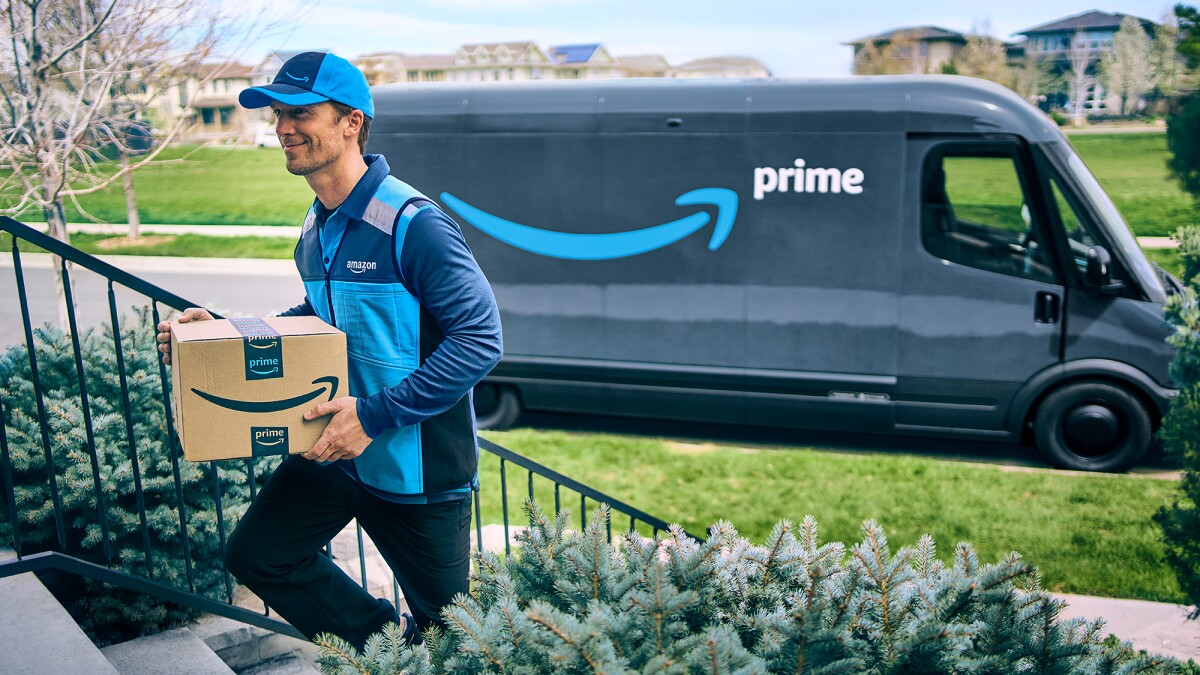
Amazon Flex is an independent contractor arrangement. You use your own car, set your own schedule, and absorb vehicle-related costs yourself. There's no startup fee to join.
The Amazon Delivery Service Partner program is a different model entirely. It's a franchise arrangement where entrepreneurs lease Amazon-branded vans, hire and manage their own drivers, and operate a small logistics business. Amazon requires $10,000 upfront and $30,000 in liquid assets to qualify. It comes with a higher earnings ceiling but also significantly more responsibility and financial exposure.
Where Is Amazon Flex Available?
Amazon Flex operates across hundreds of cities in the United States, with the strongest and most consistent availability in major metros like New York, Los Angeles, Chicago, Houston, Atlanta, Seattle, Miami, Austin, and Phoenix. Mid-size cities are often covered too, though block availability in smaller markets tends to be less consistent.
Internationally, Amazon Flex currently operates in:
- United States
- Canada
- United Kingdom
- Germany
- Spain
- France
- Italy
- India
- Japan
- Mexico
The fastest way to confirm whether Flex is active where you live is to download the app and enter your zip code. Availability shifts regularly as Amazon opens and pauses recruiting in different regions. The Amazon Flex locations page gives a broader overview.
What Types of Deliveries Will You Be Doing?
When you select a delivery block in the app, you see three things upfront: the delivery type, the block duration, and your expected earnings.
Amazon currently offers three delivery types through the Flex program:
| Delivery Type | Block Length | Pickup Location |
|---|---|---|
| Amazon standard delivery | 1 to 6 hours | Amazon delivery station |
| Amazon grocery delivery | 2 to 4 hours | Amazon Fresh delivery station, Whole Foods Market, or other grocery provider |
| Amazon Now | Under 1 hour | Amazon Now pickup locations |
For standard delivery blocks, you drive to an Amazon delivery station, scan your packages, load your vehicle, and follow the app's navigation to each stop. For shorter blocks, you can expect around 15 to 25 packages. Longer three to four hour blocks regularly load you with 40 to 50 packages. How fast you get through them depends heavily on your route.
Amazon Flex driver forums report averaging 10 to 20 stops per hour, with densely packed residential or urban routes on the higher end and rural routes with stops several miles apart on the lower end. Apartment buildings add their own variable since lockers and access codes slow things down considerably.
Amazon grocery delivery blocks typically involve 10 to 20 customer orders per block, but each order may include multiple bags, especially for Fresh deliveries with cold or frozen items. The lower package count tends to be offset by tips, since grocery customers tip more consistently than standard delivery recipients.
Amazon Now is the shortest format, under an hour, focused on local daily essentials. Package counts are lower and routes are more local, which works well for drivers who want quick turnarounds and prefer staying close to home.
Across all delivery types, tip-eligible orders pass 100% of the tip directly to you.
Route Variability Is Real and It Affects Your Pay
One thing drivers consistently flag is how unpredictable routes are. You could get 44 packages clustered on the same street and finish in under an hour. You could also get 25 packages with stops 10 to 15 minutes apart and barely finish within your block time.
The app generates routes automatically, and you don't see the full route until after you've picked up your packages. Your effective hourly rate shifts significantly depending on which kind of route you draw.
Rural routes in particular tend to frustrate drivers. Stops spread miles apart, dirt roads, and repeat tire damage from gravel and debris are complaints that show up regularly in driver forums.
Urban routes cluster stops more tightly but come with parking challenges, apartment access codes, and building logistics that eat into your time in a different way.
Requirements to Become an Amazon Flex Driver
Amazon Flex has a clear set of requirements. Meeting all of them before you apply avoids delays in the approval process.
Driver Eligibility
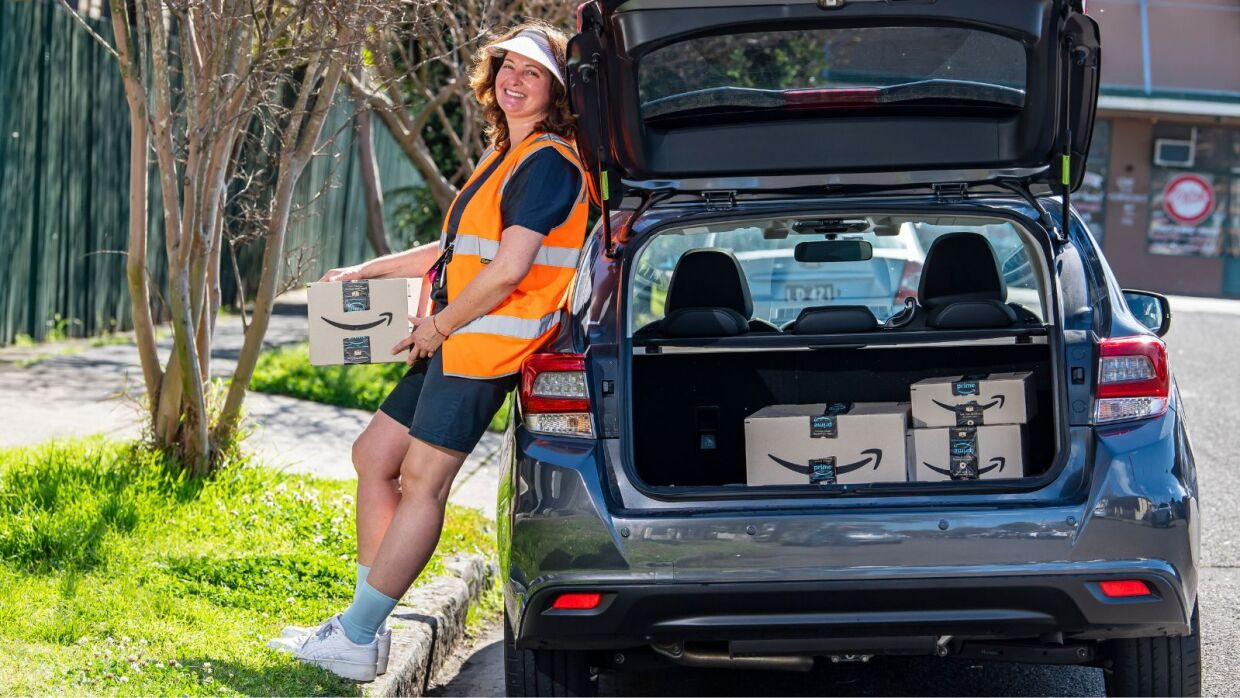
To deliver with Amazon Flex in the United States, you must be at least 21 years old, hold a valid U.S. driver's license, and have a valid Social Security Number. Amazon will verify your identity during onboarding, which includes uploading a photo of your physical driver's license, front and back.
A photocopy, scan, or screenshot won't be accepted.
You also need a bank account for direct deposit, and you must pass a background check that includes a review of your motor vehicle records.
Vehicle Requirements
Amazon's vehicle requirements are more specific than most gig platforms, and your vehicle type affects both your eligibility and your earning potential.
Eligible vehicles:
- 4-door mid-sized sedans
- SUVs
- Vans
- Pickup trucks with a covered bed
Not eligible:
- Compact or subcompact cars
- 2-door vehicles
- Pickup trucks with open beds
- Motorcycles, motorized bicycles, or scooters
Vehicle size also affects what you earn. A van or large SUV lets you take on higher package loads per block, which improves your effective hourly rate. Grocery delivery blocks are easier to handle with more cargo space since you may carry multiple insulated bags per stop. Drivers in mid-sized sedans will hit cargo limits that van drivers simply don't encounter.
Smartphone Requirements
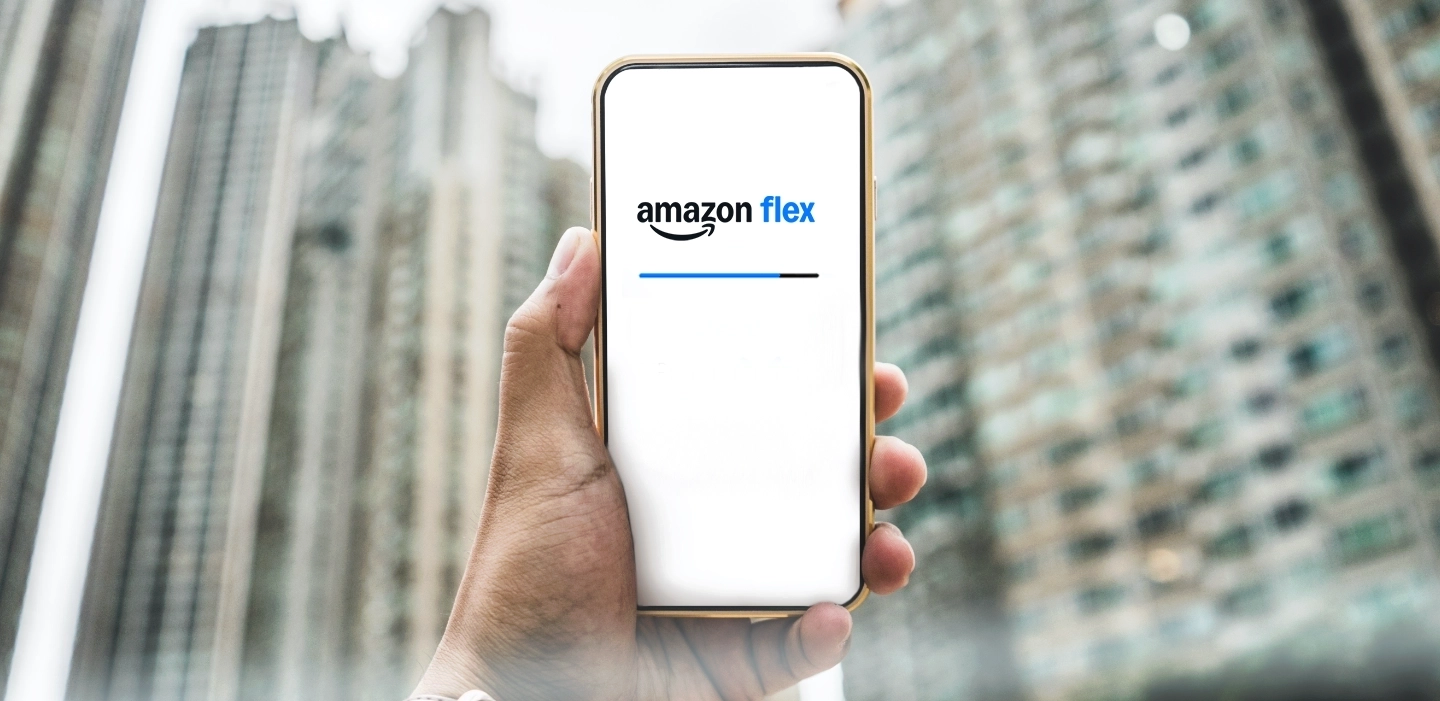
The Amazon Flex app requires either an Android device running Android 13 or higher with at least 3GB of RAM, a 5-megapixel camera, a 4500mAh battery, GPS, and Google Play Store services enabled, or an iPhone running iOS 17 or higher.
A number of specific Android models are not supported even if they meet the software requirements. Check the full list on the Amazon Flex FAQ page before assuming your phone qualifies.
Insurance
Amazon provides commercial auto insurance at no cost while you're actively delivering in most U.S. states. This covers auto liability, uninsured motorist protection, and contingent comprehensive and collision coverage. Drivers in New York are excluded from this coverage due to local regulations and may need to arrange additional commercial insurance separately.
One important note: many personal auto insurance policies do not cover package delivery activity. Check with your insurer before your first block to confirm where your coverage actually stands.
How to Sign Up for Amazon Flex: Step by Step
Here's the exact process from your first visit to your first approved block.
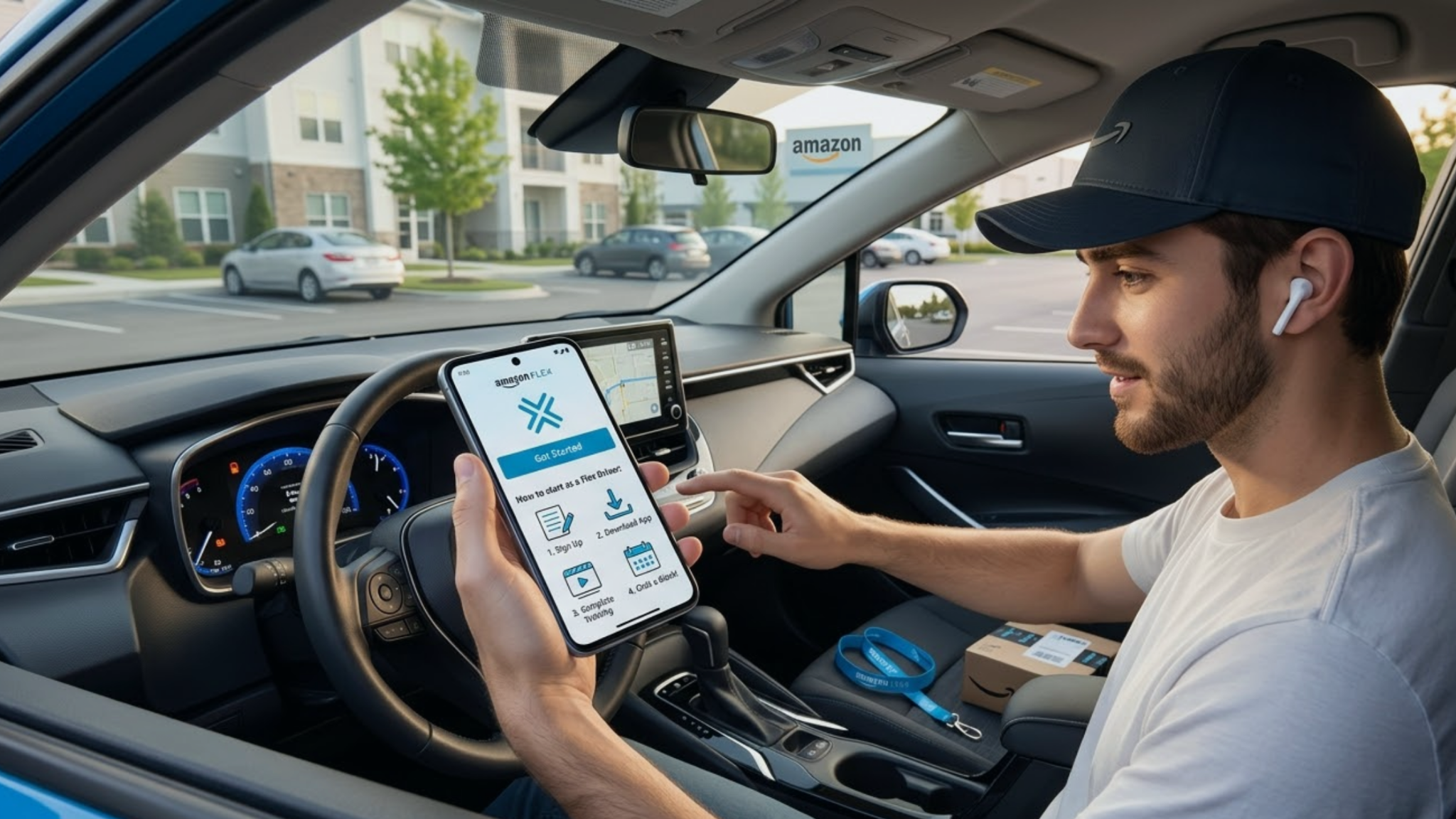
Step 1: Go to flex.amazon.com
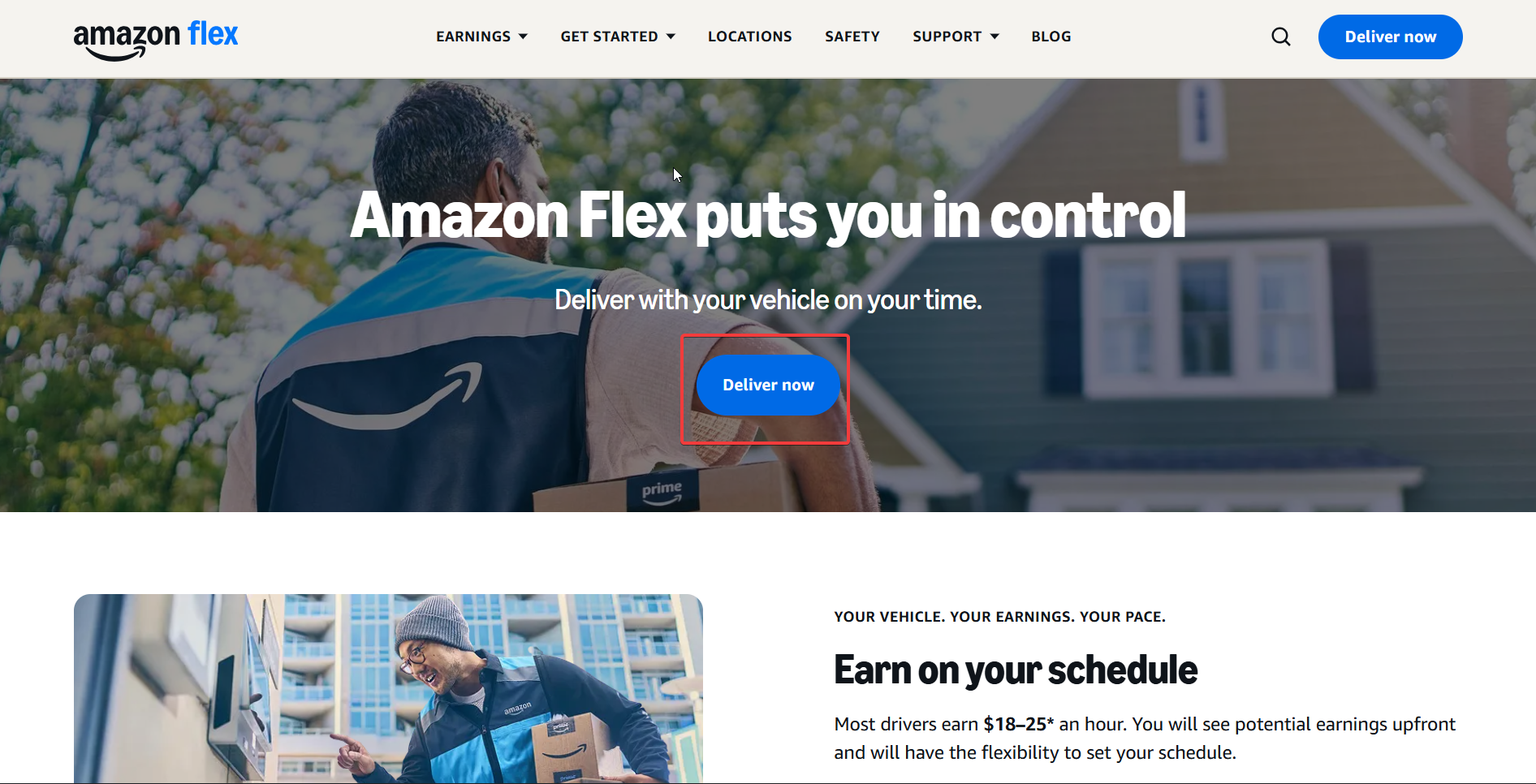
Head to flex.amazon.com and click “Deliver Now.” You'll need an Amazon account to proceed. If you don't have one, create a free account first.
Step 2: Download the Amazon Flex App
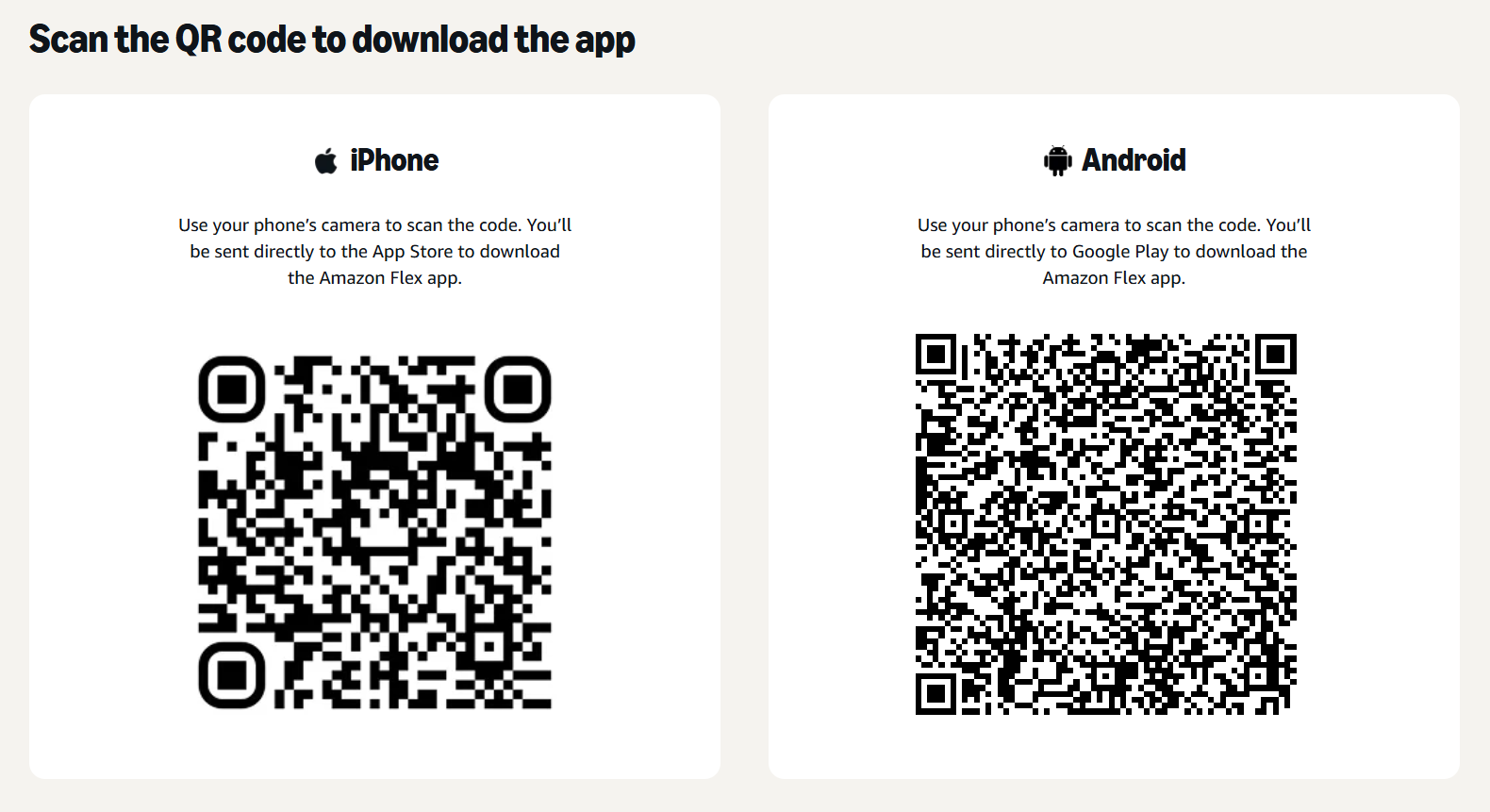
Download the Amazon Flex app from the Apple App Store or Google Play. You can also find the download link directly on the Amazon Flex website. The app is where everything happens, from onboarding to scheduling blocks to navigating your route on delivery day.
Step 3: Sign In and Grant App Permissions
Sign in using an existing Amazon account or create a new one. The app will then ask for permission to access your device's GPS, camera, and phone state. These permissions are required for navigation, package scanning, and identity verification while you're on the road.
Step 4: Answer the Qualifying Questions
You'll be asked for your zip code, vehicle type, and availability. This is also where Amazon checks whether Flex is actively recruiting in your area. If your city is at capacity, you'll be added to an interest list rather than moved directly into onboarding.
Step 5: Submit Your Personal and Payment Information
Enter your full name, address, driver's license details, and Social Security Number. You'll also provide your bank account information for direct deposit. Have your auto insurance policy on hand so you can confirm your coverage meets local requirements. Make sure all information is correct before submitting since Amazon does not allow changes after submission.
Step 6: Complete the Onboarding Process
You'll work through onboarding inside the app, which includes video tutorials on best practices for delivering with Amazon Flex. The process covers how blocks work, how to scan packages, what to do when a customer isn't home, and how Amazon tracks your performance. Most people complete all onboarding documents in under an hour.
Step 7: Wait for Your Background Check
Amazon reviews your motor vehicle records and other background information before approving your account. Most drivers are approved and start delivering within a week of completing onboarding. Use this time to re-watch the training materials and get comfortable with the app layout.
Step 8: Reserve Your First Block and Start Delivering
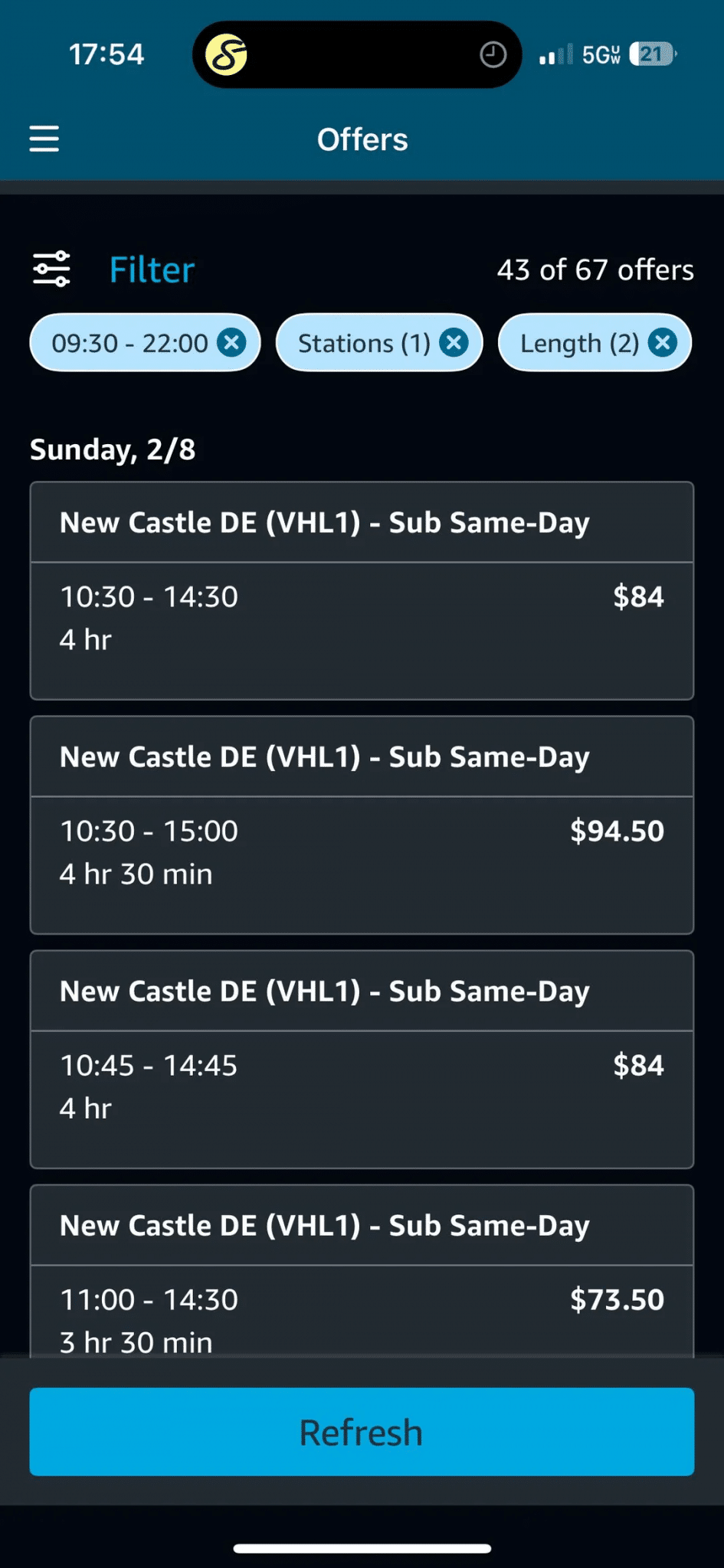
Once approved, open the app and go to the Offers page to find available blocks in your area. You'll see the pickup location, block duration, and your expected earnings before you commit. Claim a block that fits your schedule, arrive at the designated Amazon delivery station by the block start time, scan your packages, and follow the in-app navigation to each stop.
What If Amazon Flex Isn't Accepting Drivers in Your Area?

If Amazon Flex operates in your city but isn't actively recruiting, you'll see a “Join List” option in the app. Add yourself to the list and Amazon will notify you by email when spots open. Amazon recommends completing your full onboarding as soon as you receive that invitation since limited spots are available and they fill quickly.
How Much Do Amazon Flex Drivers Actually Earn?
Amazon's advertised range is $18 to $25 per hour, with a guaranteed floor of $15 to $19 per scheduled hour depending on your location and demand. Those numbers reflect gross pay before vehicle expenses.
For Example
A 4-hour Amazon.com block that shows $72 in the app means you're guaranteed $72 for that block regardless of whether it ends early or runs long. For tip-eligible blocks like Amazon Fresh, you'll see an earnings range in the offer that reflects what similar drivers earned recently in your area.
Gas, maintenance, and vehicle depreciation are real costs that come out of your earnings since you're using your own car. Using the IRS mileage rate of $0.67 per mile to account for those costs, driver forum breakdowns show that a standard block paying $72 for four hours typically nets closer to $39 to $45 after mileage costs.
Gridwise, which tracks gig driver earnings, found that Amazon Flex drivers averaged $21.96 per hour in 2024 before expenses, and roughly $400 per week in total earnings. That weekly figure suggests most Amazon Flex drivers use the program as supplemental income rather than a primary salary.
Location is one of the biggest variables in actual take-home pay. Drivers in busy markets like Tampa have reported averaging over $30 per hour across extended periods, while drivers in lower-demand markets like Wichita have reported block rates ranging from $46 to $55 for a 3 to 3.5 hour block. The same job in two different cities produces genuinely different results.
After accounting for expenses, most drivers report take-home pay in the range of $10 to $20 per hour. Drivers at the higher end of that range tend to operate in dense urban markets, drive larger vehicles that accommodate bigger package loads, and target grocery delivery blocks where tips are more reliable.
When and How You Get Paid
Amazon pays via direct deposit. You choose which weekdays you want to receive payment, and you can select every day of the week if you want daily pay. For blocks without tips, payment arrives on your next chosen pay day. For tip-eligible blocks, payment comes two to three days after delivery to allow for a 24-hour tip settlement window. Drivers who sign up for the Amazon Flex debit card can access earnings faster and earn up to 6% cash back on fuel purchases.
On the legal side, New Jersey filed a lawsuit against Amazon in October 2025, alleging that its classification of Flex drivers as independent contractors violates state labor law, and more than 32,000 arbitration claims have been filed by drivers across multiple states seeking back wages and expense reimbursements. These cases are ongoing and reflect a broader debate about how gig work is classified and compensated.
What Drivers Say: Pros and Cons
| Pros | Cons |
|---|---|
| Guaranteed earnings visible before you accept a block | Take-home after expenses typically lands between $10 and $20/hr |
| You keep full block pay even if you finish early | Good blocks fill within seconds and require constant app monitoring |
| 100% of customer tips go directly to you | No benefits, sick pay, or expense reimbursements |
| No passengers, no restaurant waits, minimal customer interaction | Vehicle wear, depreciation, and tire damage add up over time |
| Flexible schedule, seven days a week | Block availability fluctuates and is not guaranteed week to week |
| Surge pricing during peak periods can reach $30 to $35/hr | Requires a mid-sized or larger vehicle |
| Amazon provides commercial insurance while actively delivering | New York drivers are excluded from Amazon's commercial coverage |
| Choose your own pay days, including daily pay | Multi-apping during a block violates Amazon's Terms of Service |
| Amazon Flex Rewards offers cash back on fuel purchases | Daily cap of 8 hours limits total earning potential |
What to Expect on Your First Day
You arrive at the delivery station, present your driver's license to be scanned, locate your assigned cart, and scan each package before loading your vehicle. Safety vests are required while on station grounds and are available free at Amazon stations. Closed-toe shoes are also required.
Clear your vehicle of anything taking up cargo space before you arrive. Organize your packages by route order before leaving the station. A folding dolly is worth having for blocks with heavy loads. Start with a full tank of gas and check your tire pressure beforehand, particularly if you're in an area with rural routes.
Your first block will likely take longer than the estimated time. That's expected and doesn't affect your pay. Route familiarity builds quickly over your first few blocks.
Getting Blocks: The Part Nobody Warns You About
Getting approved for Amazon Flex is the easy part. Getting good blocks consistently is where the job gets competitive.
Blocks are released throughout the day on a first-come, first-served basis, and the app does not notify you when new ones drop. You have to manually refresh the Offers page to see what's available. Drivers who check the app frequently, especially during early morning hours when new blocks appear and competition is lower, tend to secure better shifts.
There are three types of offers available in the app. Reserved offers are blocks set aside specifically for you based on your availability, with a deadline to accept before they open to others. Drop-in offers are open to whoever claims them first and fill within seconds in competitive markets. Rewards reserved offers become available once you reach Level 2 in the Amazon Flex Rewards program, which also unlocks the Preferred Scheduling feature. This lets you set preferences for your station, delivery days, and time of day, and gives you a longer window to accept reserved offers before they open to the general driver pool. It's worth working toward.
One important note for drivers who also work other gig apps: running another delivery app during a Flex block violates Amazon's Terms of Service. Amazon tracks your route through the app, and deviating significantly from your delivery area raises flags.
Understanding Your Standing and Avoiding Deactivation
Amazon tracks your performance through a standing system with four levels: Fantastic, Great, Fair, and At Risk. Your standing affects which blocks you see and how many offers are available to you.
Your standing is based on two things: reliability, which measures whether you show up for scheduled blocks on time, and delivery quality, which measures how consistently you attempt to deliver every package on your route.
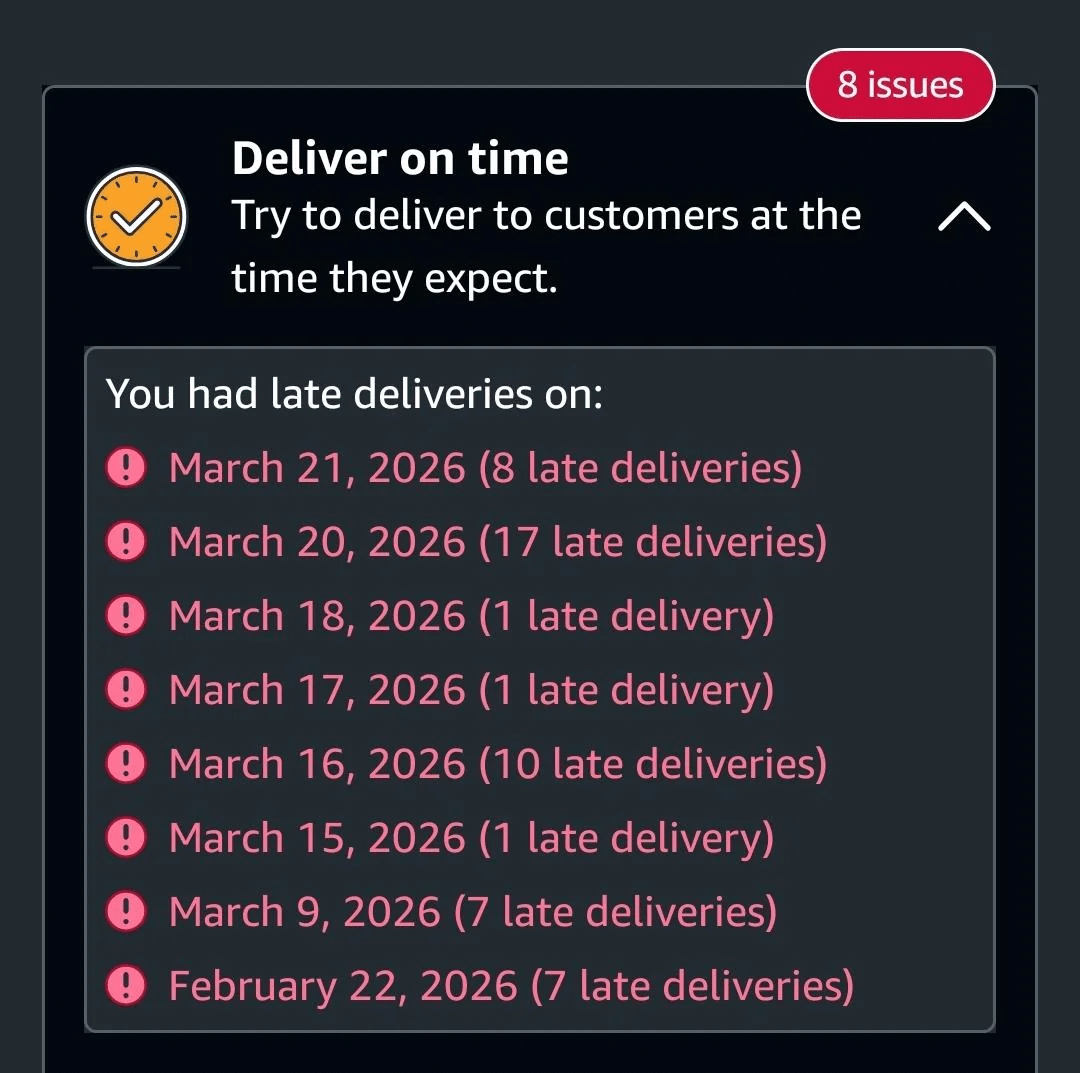
Amazon deactivates drivers for a specific set of reasons worth knowing before you start:
- Missing scheduled blocks without canceling in advance
- Repeatedly canceling blocks with less than 45 minutes notice
- Failing to attempt delivery on assigned packages
- Excessive customer complaints
- Stealing or damaging packages
- Inactivity for 180 days or more
If something goes wrong during a delivery outside your control, contact Driver Support through the app immediately and document the issue. Letting problems go unreported is one of the most common ways drivers see their standing drop without understanding why.
Who Amazon Flex Works Best For
During the highest-demand periods, surge pricing has pushed some block rates to the equivalent of $69 per hour. Those moments happen, especially during the holiday season and around major shopping events. Drivers who see those rates tend to operate in busy markets, drive larger vehicles, and keep the app open during peak windows.
More broadly, Amazon Flex works well as supplemental income for drivers in high-density areas who have flexibility in when they work and check the app regularly for good blocks. Block availability fluctuates week to week and Amazon caps drivers at 8 hours per day, which makes it difficult to rely on as a sole income source for most people.
If you're comparing options within Amazon's delivery ecosystem, the Amazon Hub Delivery program is a different contractor model worth reading about before you commit to one path.
Ready to Get Started?
Track your mileage and expenses from day one. Gas, vehicle depreciation, and maintenance are all tax-deductible as an independent contractor, and keeping records throughout the year makes tax time significantly easier. Most experienced gig drivers use a mileage tracking app to log trips automatically.
If you're ready to apply, head to flex.amazon.com, download the app, and follow the steps above.